Maximising Workflow Efficiency through Custom Setups
Unlike more simple CMS alternatives, Drupal excels at handling detailed website architectures, substantial content libraries, and personalized workflows. Its granular control over URL structure, metadata, and taxonomy makes it a preferred amongst SEO specialists working on enterprise-level tasks. These features enable you to organize your content logically, establish clear relationships in between different pieces of material, and create a semantic structure that browse engines can quickly comprehend.
The cost of implementation can differ significantly depending on the complexity of the task, needed customizations, and the requirement for designer support. Hosting expenses likewise depend on traffic and resource requirements. While there are lots of contributed modules available for totally free, engaging professional Drupal developers for complicated setups is typically necessary. Improve website performance and user experience with Drupal's caching systems. A faster website adds to much better search rankings. Organize your content with an advanced tagging system that boosts site navigation and search engine understanding. Structure your content with and other semantic markup standards to provide context to browse engines and improve exposure in abundant search outcomes. Optimized for efficiency, resulting in much faster packing
times and improved user experience. Manages large amounts of material and elaborate site architectures with ease. Robust security functions make Drupal a safe and dependable choice for big companies. Granular control over SEO components, permitting accurate optimization. Requires more technical know-how to establish and manage successfully. Large Drupal sites can require considerable server resources . For complex setups and personalizations, employing a Drupal designer is frequently advised. Drupal shines when managing large, complex websites needing sophisticated SEO abilities. While the knowing curve can be high and designer support may be necessary, the level of control and personalization offered by Drupal makes it a powerful tool for SEO specialists going for long-term success.
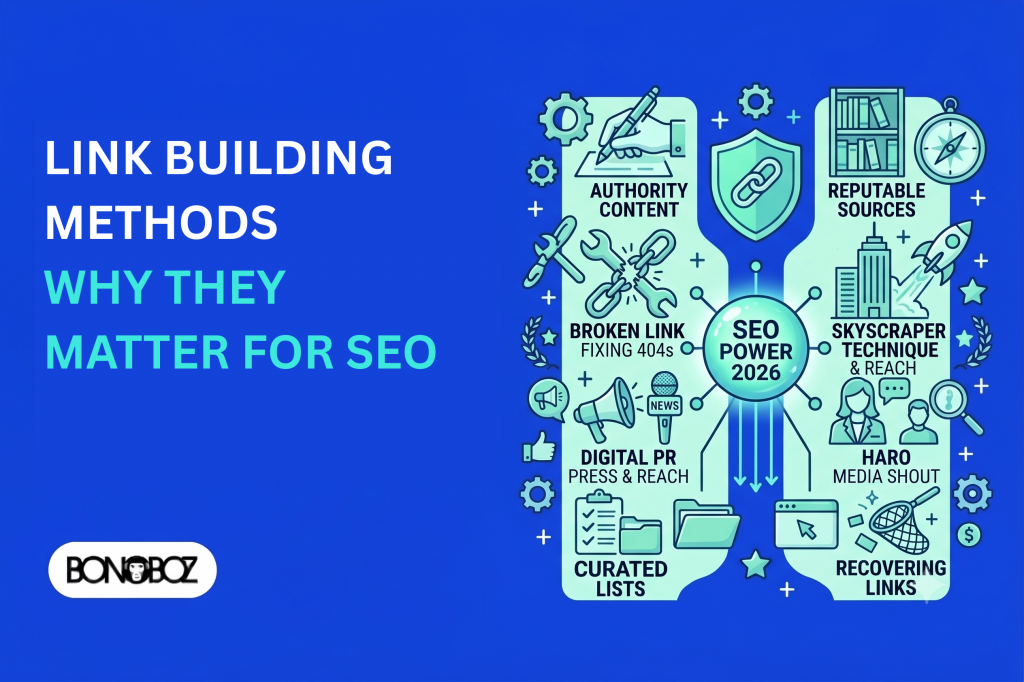
Streamlined Backlink Acquisition Strategies for 2026
Technical requirements are fairly basic, comparable to WordPress, needing a web server(Apache, Nginx, or IIS), PHP, and MySQL.Built-in SEO settings panelCustom metadata for various material typesAdvanced menu management systemURL rewording and redirectsGood balance in between ease of usage and functionalityStrong built-in SEO capabilitiesFlexible material organizationFewer SEOextensions than WordPressAdmin interface can be confusing for beginnersSome extensions may have compatibility issues Choose a template designed with SEO best practices in mindUser interface While mainly an e-commerce platform, Shopify likewise consists of an integrated blog platform, an important tool for material marketing and driving organic traffic through educational content associated to your products. Automatic sitemap generationBuilt-in blog platform for content marketingCustomizable URL structuresExcellent page speed optimizationMobile-first design approachBuilt particularly for e-commerce SEORegular platform updates enhancing SEO capabilitiesLimited URL structure modification compared to some other platforms.